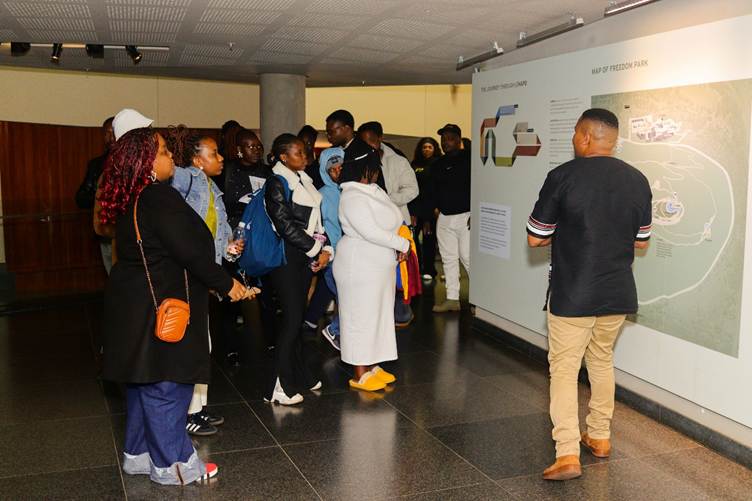
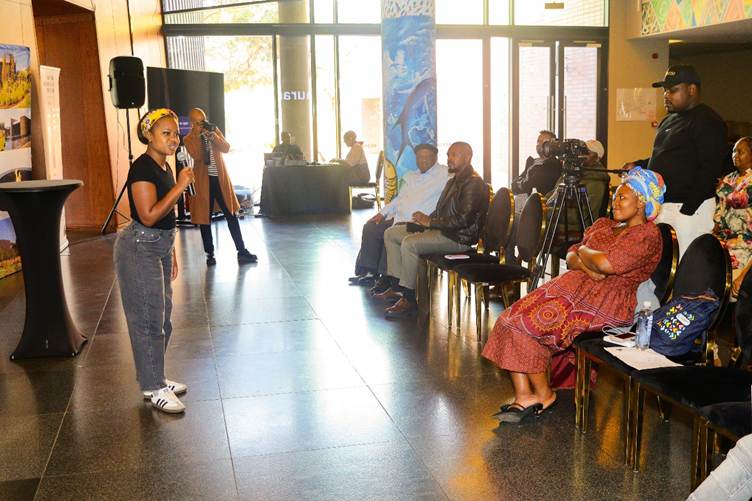
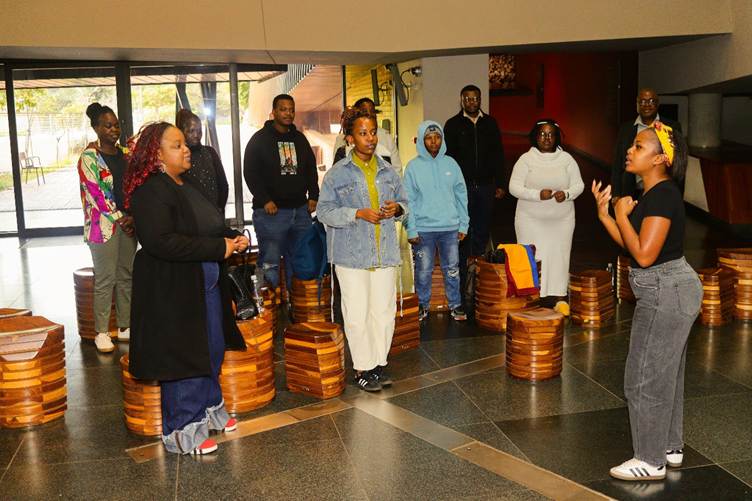
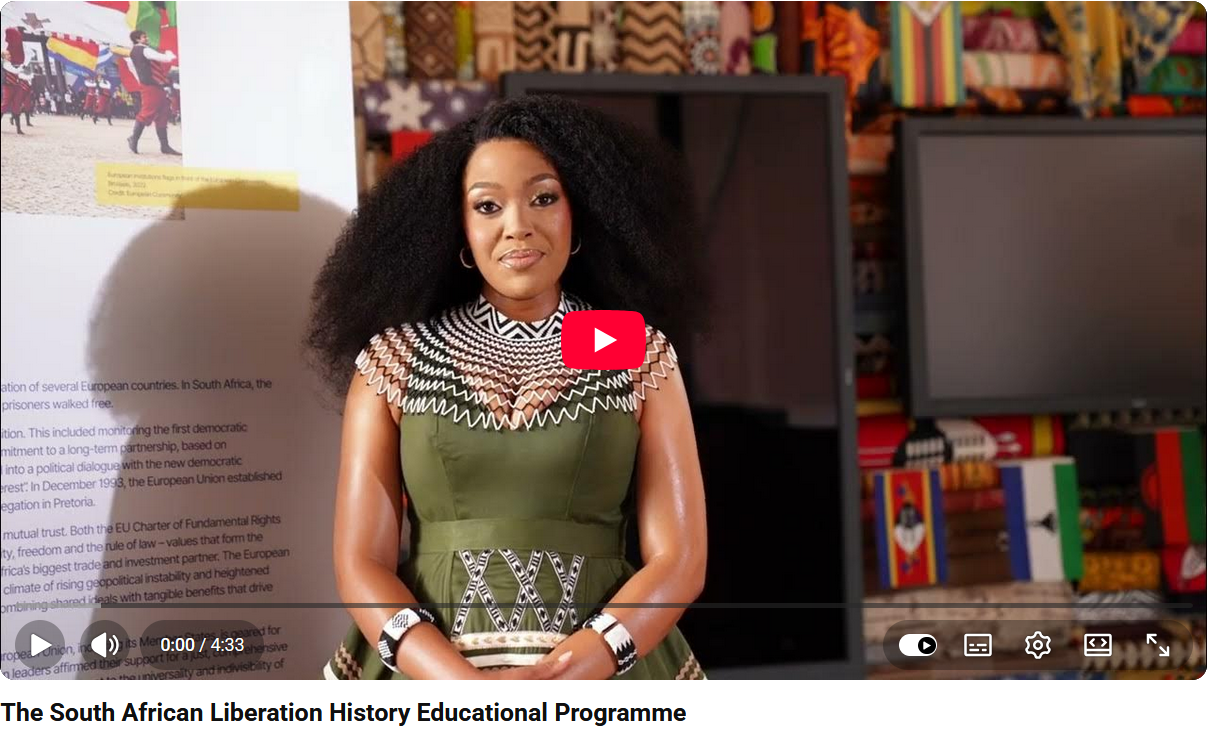
The National Institute for the Humanities and Social Sciences (NIHSS), in partnership with Freedom Park and African Revolutionary Internationalist, recently launched the South African Liberation History Educational Programme at Freedom Park Heritage Site in Pretoria. The initiative seeks to reconnect young people with the histories, ideas, struggles, and voices that shaped South Africa’s liberation journey, while encouraging deeper reflection on democracy, identity, and the role of historical memory in shaping the future.
As Africa Month draws to a close, the launch served as a timely reminder of the importance of preserving liberation memory and ensuring that younger generations remain connected to the historical foundations that continue to shape contemporary South Africa and the continent. Throughout the programme, speakers reflected on the growing disconnect between youth and liberation history, emphasising the need for educational and public engagement initiatives that make history more accessible, relevant, and meaningful within present-day societal contexts.
Opening the programme, storytellers and speakers reflected on the role of oral history, memory, and intergenerational storytelling in preserving the country’s liberation narrative. Referencing the origins of Freedom Park following the Truth and Reconciliation Commission process, reflections highlighted the importance of creating spaces where stories of struggle, sacrifice, healing, and reconciliation can continue to educate and inspire future generations. Speakers further emphasised that liberation history should not only be confined to textbooks and commemorative dates, but should actively shape how young people understand South Africa, democracy, citizenship, and their own role within society.
The South African Liberation History Educational Programme forms part of a broader national educational initiative aimed at schools, universities, and organised youth groups across the country. Through storytelling, archives, visuals, dialogue, art, and historical reflection, the programme seeks to position liberation history not only as a reflection of the past, but as an active part of understanding present-day South Africa and shaping future generations.
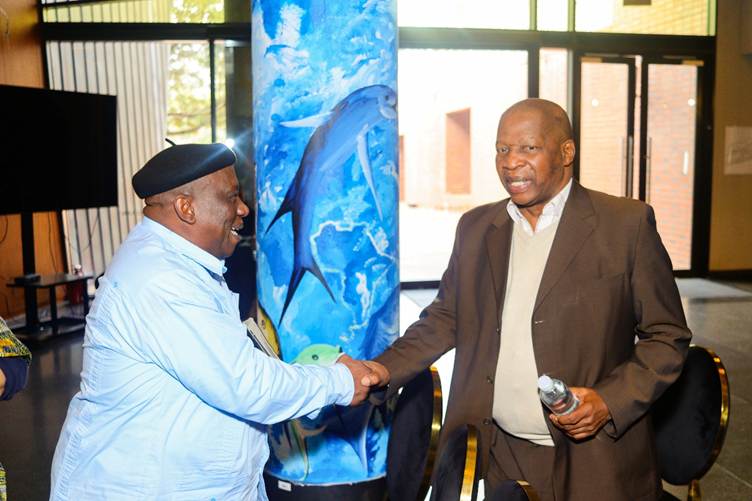
Speaking during the launch, liberation struggle veteran Castro Khwela reflected on the importance of engaging young people at the level where they are, emphasising that the history of South Africa’s liberation has always been carried by young people across generations. Drawing from liberation history, exile education experiences, and youth-led resistance movements, he highlighted the need for educational approaches that cultivate historical consciousness, patriotism, and a deeper understanding of where South Africa comes from and where it seeks to go as a nation.
Actress and television personality Lerato Marabe, who serves as the face of the programme, reflected on how the initiative challenged even her own understanding of South African history. She noted that liberation history extends far beyond dates and textbook summaries, describing it as the lived experience, sacrifice, courage, and resilience of generations who fought for freedom. Addressing stakeholders, educators, parents, and public representatives, she emphasised the importance of ensuring that young people inherit not only freedom itself, but also an understanding of the price paid for it. She further described the programme as an important nation-building intervention capable of strengthening identity, leadership, self-awareness, and democratic consciousness among younger generations.
Throughout the programme, reflections also centred on the importance of culture, storytelling, language, music, theatre, media, and the arts in preserving and communicating South Africa’s history. Speakers drew connections between contemporary South African storytelling platforms, television productions, music, and oral traditions, and the broader role they continue to play in shaping identity, preserving memory, and strengthening cultural consciousness among younger audiences.
For the NIHSS, the initiative aligns closely with broader efforts to position the Humanities and Social Sciences as central to societal reflection, public discourse, historical consciousness, and knowledge development. The programme further speaks to the importance of intergenerational dialogue, African-centred educational approaches, and preserving liberation memory within a rapidly evolving social and technological landscape.
As South Africa continues to reflect on the meaning of freedom, democracy, identity, and African consciousness more than three decades into democracy, initiatives such as the South African Liberation History Educational Programme serve as important reminders that liberation history is not only about remembering the past, but also about shaping how society understands itself, engages with present realities, and imagines its future. Schools, universities, youth organisations, educators, and community stakeholders are encouraged to engage with and support the programme as it expands nationally, creating opportunities for young people to meaningfully connect with South Africa’s liberation history, democratic values, and shared African heritage.